Ground-Truth Field Compendium

Bali Rice Terraces: FAQ & Field Survival Guide

Direct, objective advice addressing real traveler dilemmas: terrace trade-offs, Grab/Gojek app restrictions, scooter laws, official tariffs, drone rules, cultural etiquette, and emergency contacts.

1. Terrace Dilemmas 2. Transport & Scooter Rules 3. Swings & Drones 4. Weather & Safety 5. Culture & Dress Code 6. Scams & Emergency
Verified Bookings

Hassle-Free Door-to-Door Private Day Excursions

Avoid rural transport cartel bans, scooter hazards, and ticket booth scams. Licensed local Balinese drivers handle all logistics in air-conditioned comfort.

Top Rated #1 • 5,640+ Reviews GETYOURGUIDE Ubud: Full-Day Rice Terrace, Monkey Forest & Waterfall From $13.20/person (Private car from $38)
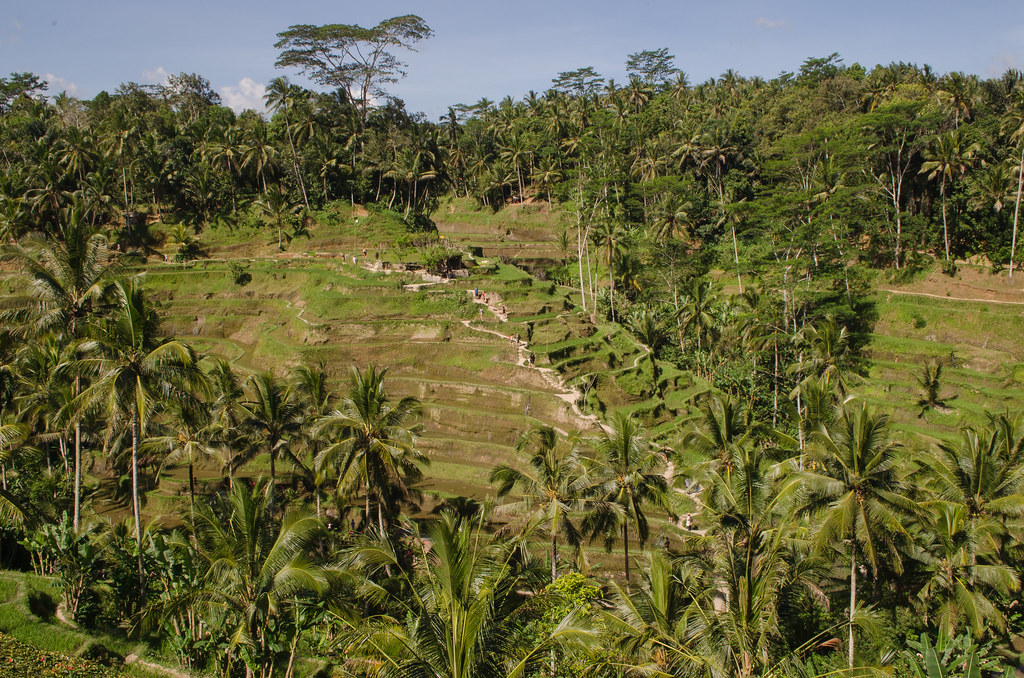
★ 5.0 (5,643 reviews) • 8 - 10 hours

Ubud: Full-Day Rice Terrace, Monkey Forest & Waterfall

  • Tegallalang terraced gorge guided hike
  • Sacred Monkey Forest sanctuary admission
  • Tibumana or Tegenungan jungle waterfall swim
  • Round-trip air-conditioned hotel transport
UNESCO Heritage Specialist • 2,760+ Reviews VIATOR Full-Day Tour to Water Temples and UNESCO Rice Terraces $39.00/person (All tickets included)
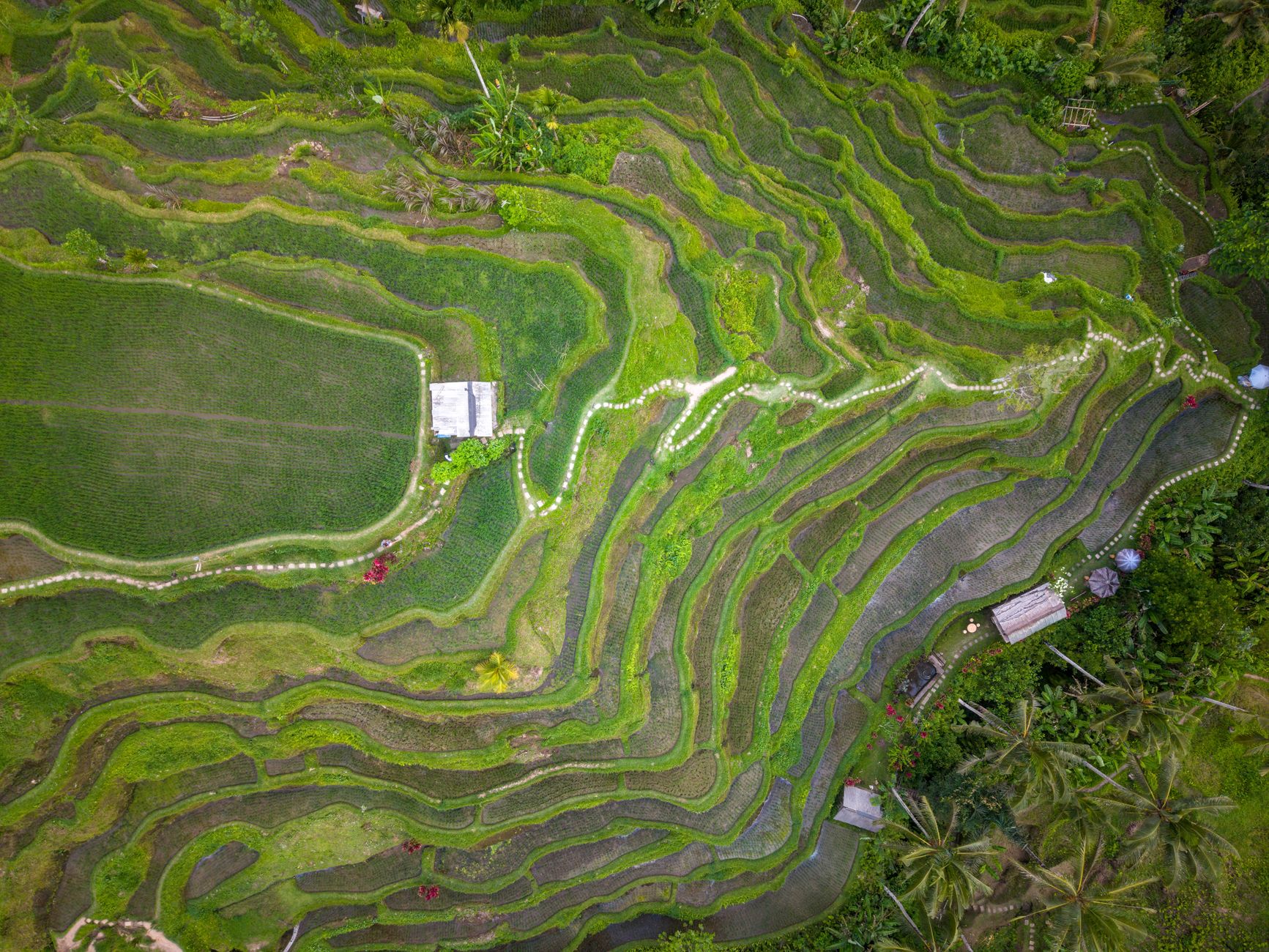
★ 5.0 (2,762 reviews) • 9 hours

Full-Day Tour to Water Temples and UNESCO Rice Terraces

  • Extensive guided hike through Jatiluwih UNESCO red rice paddies
  • Visit iconic Pura Ulun Danu Beratan water temple on Lake Bratan
  • Sunset stop at sea temple Pura Tanah Lot
  • All municipal park admissions and parking tariffs covered
Viator All-Time Bestseller • 17,600+ Reviews VIATOR Ubud Private Tour: Rice Terraces, Temples & Waterfalls $38.00 total per group (up to 5 people)
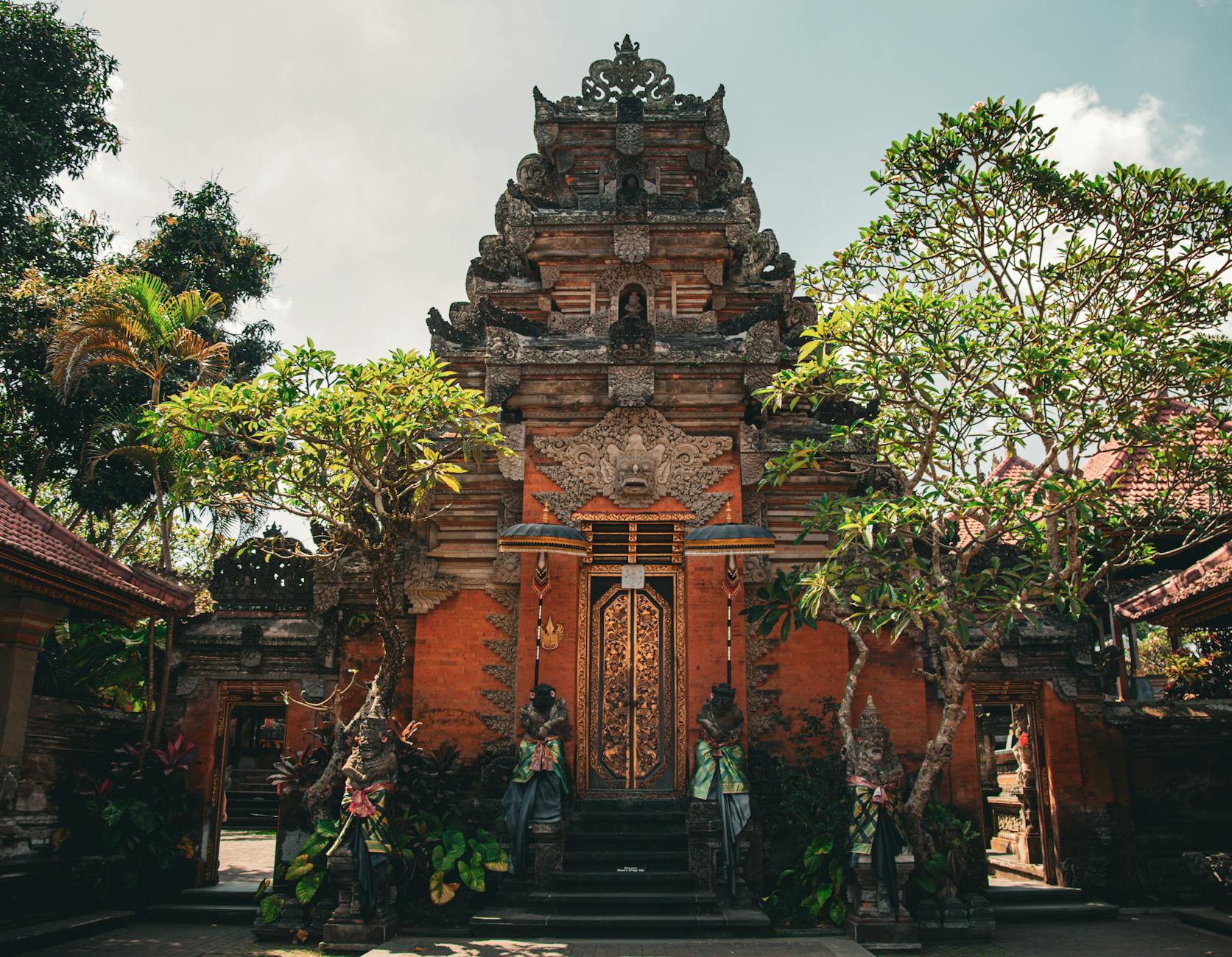
★ 5.0 (17,623 reviews) • 10 hours

Ubud Private Tour: Rice Terraces, Temples & Waterfalls

  • Customizable private full-day vehicle charter with English-speaking driver
  • Tegallalang terraced gorge walking tour and swings access
  • Tirta Empul Holy Water cleansing ritual temple
  • Tibumana and Kanto Lampo canyon waterfalls

1. Terrace Selection & Regional Trade-Offs

Choose Jatiluwih if you seek monumental 600-hectare UNESCO vistas, peaceful walking trails, and genuine farming culture; choose Tegallalang if you have limited time and want dramatic vertical cliff photos, giant swings, and cafe culture. Jatiluwih (75,000 IDR entry) in Tabanan Regency is 40 km from Ubud and features 5 marked hiking loops with views of Mount Batukaru. Tegallalang (25,000 IDR entry) is just 10 km north of Ubud along Jalan Raya Tegallalang and offers intense ravine contours lined with day clubs. If you have a full day, Jatiluwih is overwhelmingly superior; if you have only 2 hours from Ubud, Tegallalang is the practical choice.

Yes, but it requires an 8 to 9-hour private car excursion and an early start. The drive between Tegallalang and Jatiluwih covers 45 kilometers through winding single-lane provincial roads, requiring 1.5 to 2 hours of pure transit time. The optimal itinerary: Depart your Ubud hotel at 06:15 AM to reach Tegallalang for sunrise at 06:45 AM before crowds arrive. Explore until 08:30 AM, drive to nearby Tirta Empul temple for a morning visit, then head across Tabanan to reach Jatiluwih for lunch and hiking between 12:00 PM and 02:30 PM.

Sidemen is dramatically more tranquil and unspoiled than Ubud, often described as 'Ubud 30 years ago.' Located in eastern Bali's Karangasem Regency, Sidemen is nestled in a wide river basin framed by Mount Agung. Unlike Tegallalang, Sidemen has no commercial swings, no entrance gates, and very few tourist coaches. It offers authentic village walks, traditional handloom Endek weaving workshops, and organic farm warungs. If you want peace and solitude, choose Sidemen.

Kajeng Walk is an intimate, flat path through working active rice paddies; Campuhan Ridge Walk is a paved stone pathway along an elevated grass ridge between two river ravines. Kajeng (starting off Jalan Raya Ubud next to Starbucks) leads past organic duck ponds, carved concrete signature slabs, and cozy garden warungs like Sweet Orange. Campuhan Ridge features sweeping hillside vistas and luxury villas but has no active rice cultivation. Both take 1 to 2 hours and can easily be walked in a single morning.

2. Transport, Drivers & Scooter Safety Warnings

App-based taxis (Grab and Gojek) can drop you off, but they are strictly prohibited from picking up passengers in rural villages. Traditional village transport cooperatives (Paguyuban Transport) in Tegallalang, Jatiluwih, and Sidemen protect local drivers. If you order a Grab to return to Ubud from Jatiluwih or Tegallalang, the driver will either cancel or risk severe intimidation by village touts. You will be forced to pay exorbitant cash rates (300,000 to 500,000 IDR) to local taxi stalls to get home. Always hire a round-trip driver or book an organized tour.

A licensed, English-speaking private driver with an air-conditioned 6-seater vehicle (Toyota Avanza or Innova) costs between 550,000 and 750,000 IDR (~$35 to $48 USD) for a full 10-hour day. This fee includes fuel, vehicle insurance, and the driver's time, but excludes parking fees (5k–10k IDR) and passenger entrance tickets. Booking through GetYourGuide or Viator provides verified traveler reviews, instant confirmation vouchers, and 24-hour free cancellation.

Indonesian law strictly requires foreign riders to carry both a valid home motorcycle license AND an International Driving Permit (IDP) with motorcycle endorsement. Police checkpoints frequently stop tourists on Jalan Raya Ubud, Raya Tegallalang, and coastal bypass roads. Fines for riding without an IDP range from 250,000 to 1,000,000 IDR cash. Critically: if you are involved in a traffic accident without an IDP and motorcycle license, travel insurance companies will categorically deny all medical claims.

Riding a scooter to Jatiluwih or Munduk involves serious road hazards and is not recommended for novice riders. Highland routes feature steep 15–20% inclines, blind mountain switchbacks, wet algae-covered asphalt, and sudden torrential downpours. Riding two-up on a small 125cc rental scooter frequently overheats drum brakes descending mountain passes from Bedugul. For highland excursions, a private car charter is vastly safer and more comfortable.

3. Photography, Drones & Giant Swings

Yes, recreational drone flights are widely permitted in open agricultural areas at Jatiluwih and Sidemen below 120 meters altitude. At Tegallalang, private cliffside cafes often demand a 100,000 to 150,000 IDR landing fee if you launch from their premises. Crucial legal rules: never fly directly above village Hindu temples (Pura) during active prayer ceremonies, maintain visual line-of-sight, and avoid buzzing close to workers in the paddies.

Reputable swing clubs (like Bali Swing Bongkasa, Alas Harum, and Uma Ceking) maintain international climbing-grade steel cables, full-body harnesses, and liability insurance, costing 150,000 to 300,000 IDR (~$10 to $20 USD). However, makeshift single-rope bamboo swings operated by roadside warungs often use basic waist belts without redundant backup tethers. Always inspect the harness: if the operator offers only a waist strap or frayed rope over a 50-meter gorge drop, decline and choose a vetted professional park.

The golden hour between 06:15 AM and 07:45 AM is the undisputed best window. At Tegallalang, low morning sun penetrates valley mist, creating spectacular crepuscular sunbeams (god rays) through the palm canopy. At Jatiluwih and Rendang, volcanic peaks (Mount Batukaru and Mount Agung) stand crisp and cloudless against pastel skies before convective clouds obscure the summits around 11:00 AM.

4. Weather, Seasons & Field Hazards

Yes, with proper footwear and preparation. Tropical rain showers in Bali rarely last all day; they typically arrive as heavy 45 to 90-minute afternoon downpours. Morning hours (06:00 to 11:30 AM) are consistently dry. During rainfall, take shelter in roadside warungs with hot ginger tea or fresh coconut. The stone steps at Tegallalang become slick when wet, so hold handrails and step on textured surfaces rather than smooth clay.

Land leeches (pacet) and small non-venomous water snakes live in irrigated paddies, but they are rare on main stone and paved tourist trails. If you hike off-trail into unpaved muddy bunds during the wet season (December to February), wear long socks and apply DEET insect repellent around your ankles. Watch your footing along flume walls where green pit vipers occasionally sun themselves in early morning hours.

Bali is officially malaria-free in all major tourist regions, but dengue fever is present across the island. Because flooded rice fields feature flowing water, mosquitoes are far less prevalent than in stagnant jungle pools. However, apply mosquito repellent (DEET 20–30% or Picaridin) during dawn and dusk hours when Aedes aegypti mosquitoes are most active.

5. Cultural Etiquette & Temple Dress Codes

Shorts, tank tops, and lightweight summer clothing are completely acceptable while walking through open agricultural rice fields and cafe decks. However, if you enter a subak water temple (Pura) or sacred shrine compound along the trail, both men and women are strictly required to wear a sarong (kamben) and waist sash (selendang) covering the knees. Sarong rentals are available at temple ticket kiosks for 10,000 to 15,000 IDR.

These are Canang Sari: sacred daily Hindu devotional offerings made of woven banana leaves, rice, fragrant flowers, betel nut, and burning incense. They are placed at bridge crossings, trail intersections, and irrigation sluice gates to honor ancestral deities and placate spirits. Always step over or around them; never kick or intentionally step on an offering. If you step on an extinguished offering accidentally, simply show respectful apology.

Under traditional Balinese Hindu religious customs, menstruating women are strictly asked not to enter inner temple sanctums (Jeroan) or holy water springs (such as Tirta Empul). This is based on ancient concepts of ritual spiritual purity (Sebelas) and applies equally to open bleeding wounds. However, this restriction applies only to sacred temple enclosures; walking through the open agricultural rice terraces is entirely unrestricted.

6. Money, Scams & Emergency Services

Bridge donation huts are not government scams, but private farmer toll booths. While your 25,000 IDR municipal entrance ticket covers road access, the bamboo footbridges spanning the river ravine are built and maintained by local farming families. Farmers ask for cash donations of 10,000 to 20,000 IDR (~$0.65 to $1.30 USD) to cross. Keep small 10k IDR notes in an accessible front pocket so you never need to reveal a full wallet.

Tour drivers frequently take tourists to 'coffee agro-plantations' along Jalan Raya Tegallalang offering free tea flights. Behind the scenes, Asian palm civets are kept in cramped wire battery cages to produce high-margin civet coffee sold at massive markups (400,000 to 600,000 IDR per 100g). If you see nocturnal wild animals in wire cages in broad daylight, decline to purchase coffee and support ethical specialty roasteries in Ubud instead.

Keep these verified emergency numbers saved in your mobile phone:

Ubud & Jatiluwih Tours ★ 5.0 (5,640+ reviews) • from $13.20
Check Tours →